Button Play Patterns: A Creative Digital Resource for All Your Craft Projects
In the world of digital design and crafting, having access to high-quality, versatile resources can make all the difference. One such resource is Button Play Patterns, a digital paper set that offers endless possibilities for creative projects. Whether you're a seasoned crafter or just starting out, this pattern set is designed to meet your needs with its flexibility, resolution, and adaptability. In this article, we'll explore what Button Play Patterns are, why they're valuable, and how you can use them in your next project.
What Are Button Play Patterns?
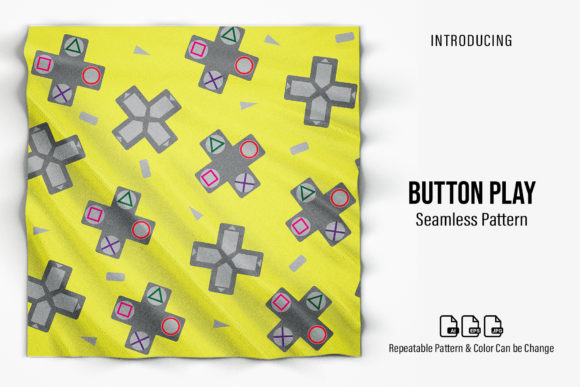
Button Play Patterns refer to a collection of digital designs that feature repeating patterns inspired by buttons. These patterns are created to be used as backgrounds or decorative elements in various craft projects. The key features of these patterns include their high resolution, scalability, and ability to be customized in terms of color and design.
Unlike traditional paper or fabric patterns, which may have limitations in size and repetition, Button Play Patterns are digital files that can be easily manipulated and used across different platforms. This makes them ideal for both digital and physical projects, offering a seamless transition from screen to print.
Key Features of Button Play Patterns
- Size: 1000×1000 pixels at 300 dpi, ensuring clarity and detail in any application.
- High Resolution: Perfect for printing on cards, invitations, and other materials where quality matters.
- Repeatable Pattern: The design can be repeated seamlessly without visible seams or distortions.
- Color Customization: Users can change the colors to match their specific project or aesthetic preferences.
Why Button Play Patterns Matter
The significance of Button Play Patterns lies in their versatility and ease of use. They provide a foundation for creativity, allowing users to focus on the design rather than the background. This is especially useful for those who may not have the time or skills to create custom patterns from scratch.
Moreover, these patterns are perfect for a wide range of applications. From greeting cards and gift wrapping to party accessories and invitations, Button Play Patterns can elevate the visual appeal of any project. Their repeatable nature also means they can be used for larger designs, such as wallpaper or fabric prints, without losing quality.
Another advantage is that they are available in multiple file formats, including EPS, AI, and JPG. This ensures compatibility with various design software and printing processes, making them accessible to a broad audience.
How to Use Button Play Patterns in Your Projects
Using Button Play Patterns is straightforward, but it's important to understand the best practices for maximizing their potential. Here are some practical examples of how you can incorporate them into your work:
- Greeting Cards: Print the pattern on cardstock and use it as a background for handmade cards. Add text, illustrations, or embellishments to create a unique design.
- Gift Wrapping: Use the pattern as a wrap for gifts, either printed directly onto wrapping paper or as a sticker. It adds a personal touch to presents.
- Party Accessories: Create banners, table runners, or napkins using the pattern. It’s a great way to add a cohesive theme to events.
- Invitations: Design elegant invitations for weddings, birthdays, or corporate events by incorporating the pattern into the layout.
- Decorations: Use the pattern for wall art, photo frames, or DIY home decor projects. It can be printed on canvas or mounted on boards for a professional look.
One of the most appealing aspects of Button Play Patterns is the ability to change the colors. This allows for customization based on the occasion, season, or personal style. For example, a pastel-colored pattern might be ideal for a baby shower, while a bold red and black design could work well for a Halloween party.
Understanding the File Formats
The ZIP file that comes with Button Play Patterns includes several file types, each serving a specific purpose:
- EPS (Encapsulated PostScript): A vector format that is ideal for scalable designs and professional printing.
- AI (Adobe Illustrator): A vector file that allows for detailed editing within Adobe Illustrator, making it perfect for customizing the pattern.
- JPG (Joint Photographic Experts Group): A raster format that is widely used for web and print applications due to its compatibility and quality.
These formats ensure that users can choose the one that best suits their needs. For instance, if you're working on a digital project, JPG might be sufficient, but if you're preparing for professional printing, EPS or AI would be more appropriate.
Common Misconceptions About Button Play Patterns
Despite their usefulness, there are a few common misunderstandings about Button Play Patterns that users should be aware of:
- They Are Only for Paper Crafts: While they are excellent for paper-based projects, they can also be used in digital design, textile printing, and even 3D modeling.
- They Are Difficult to Customize: Many people assume that changing the color or design requires advanced skills, but most software tools allow for easy adjustments.
- They Are Not Suitable for Large Prints: With the correct resolution and file format, Button Play Patterns can be scaled up without losing quality, making them suitable for large-format printing.
By addressing these misconceptions, users can better appreciate the value and flexibility of Button Play Patterns.
Conclusion
Button Play Patterns are more than just a digital file—they are a powerful tool for anyone involved in crafting, design, or creative expression. Their high resolution, repeatable nature, and customizable options make them a must-have for a variety of projects. Whether you're creating a simple greeting card or designing a complex event theme, these patterns offer a level of convenience and quality that is hard to match.
As technology continues to evolve, the demand for digital resources like Button Play Patterns will only grow. By understanding their features, uses, and benefits, you can unlock new possibilities for your creative work. So, whether you're a beginner or an experienced designer, consider adding Button Play Patterns to your toolkit and see how they can transform your next project.